Get Back Into Physical Activity at Your Pace
Getting back into physical activity can be challenging, especially after a sedentary period, such as the winter when we are often less active. It is completely normal for energy and motivation to be low, and this can slow down your progress. However, returning to exercise is entirely possible if you do it gradually and at your own pace. Whether you were active your entire life and just took or break or are just starting out, here is some concrete advice to help you get into (or back into) physical activity at your pace and stick with it.
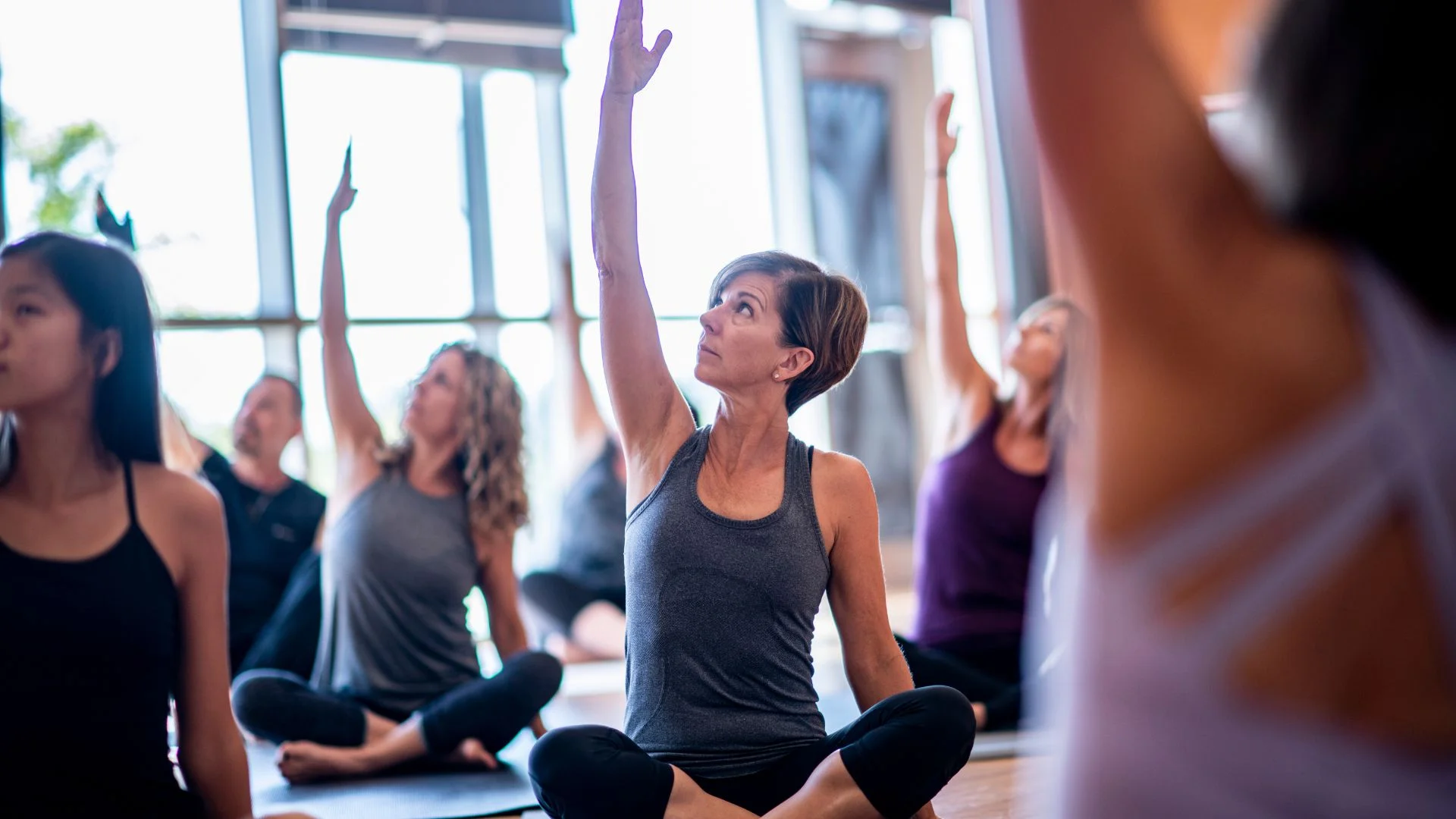
Get Back into Physical Activity Slowly
Whatever your fitness level or experience, there are simple ways to return to exercise slowly and maintain your good habits. When you feel ready, you can then move onto more structured sessions, such as a training program at a gym.
Ideally, you should:
- Celebrate your wins and reward yourself
- Work out with a friend
Choose an activity that suits your lifestyle (and that you enjoy)
There is no one size-fits-all activity, so you should first find one you enjoy doing. Maybe you already know what you like. But if this is not the case, rest assured you are not alone.
Do not hesitate to try out various activities before choosing the one you like best. Whether in the conditioning room or outdoors, start simple. With time, you will discover what you like and exercise will feel less like a chore.
Here are a few examples of recommended activities for adults: body weight exercises, walking, running, cycling, swimming, sports such as basketball or pickleball, and other daily activities (household chores, gardening, active transportation, etc.).
Build a routine centred on physical activity
Just as with physical activity itself, the preparation leading up to it is crucial. Establish a routine that includes stretching, for example, or simple movements to warm up your mind and body for the physical effort ahead. Once you have started the activity, maintain a consistent pace and level of effort that your body can handle.
Set realistic goals
Whether you want to build muscle, increase flexibility, lose weight, or simply stay active, ask yourself what you would like to accomplish and what goals you want to achieve (e.g., running a marathon, swimming a specific distance, or reaching an ideal weight).
Exercise at your pace
Whichever activity you choose, remember to listen to your body and respect your natural abilities. Injuries often occur because we push our bodies too hard, especially in the early stages.
Therefore, you should ease into physical activity and pay attention to the signals your body sends you: pain, fatigue, being out of breath, and so on. This is not a competition, and you will progress much further by maintaining a level of effort you are comfortable with.
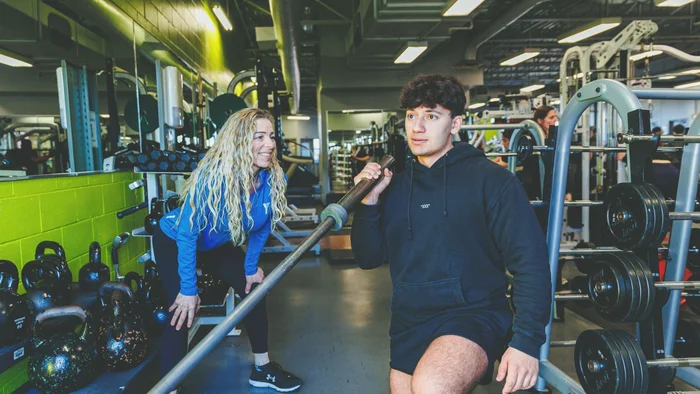
How Can a Personal Trainer’s Support Make a Difference?
Personal training can help you:
- Set your goals
- Familiarize yourself with physical activity
- Workout safely
Your relationship with your trainer is also important, as it will be a long-term one. In fact, your trainer will support you throughout your fitness journey and guide you in achieving your goals and setting new ones as you progress.
The support of a personal trainer can really make a difference in your overall experience.
“When you work out with a personal trainer, you really feel supported and are more motivated to exercise because you know someone is tracking your progress. Plus, one of the big benefits is that you also learn proper technique.”
- Claudette Rouisse, Senior Advisor, Health, Fitness, and Aquatics at the YMCAs of Québec
What is the best exercise for heart health?
It is not so much a specific exercise that is good for your heart but rather how you exercise that can improve heart health. For example, interval training is great for increasing cardiovascular fitness and therefore strengthening your heart.
To start, alternate between 30-second bursts of high-intensity exercise, followed by 30 seconds of recovery. Repeat for 8 minutes, then take a 2- to 3-minute break before starting the set over again.
During the high-intensity bursts, make sure you feel slightly out of breath but are still able to maintain a conversation.
Are 10 minutes of sports per day enough?
To notice real benefits from physical activity on your body and mind, you would typically need more than just 10 minutes of sports per day. Ideally, you should get at least 150 minutes of exercise per week.
In addition, you should include at least two moderate- to high-intensity sessions, each lasting at least 10 minutes.
Finally, to round out your week, we recommend incorporating strength-building exercises (such as squats, planks, and dips) and bone-strengthening activities (such as walking, running, and jumping) into your routine.
How much time will I need to get back into shape after a long break?
The time required to get back into shape after a long break will depend on your pace. It is important not to compare yourself to others, as it can take anywhere from one month to almost one year, depending on how much fitness you have lost and how long you have been inactive.
Ultimately, when it comes to getting in shape, remember that every little bit counts, and you just have to start somewhere—whether that means incorporating more walking into your daily routine or joining a sports team.
With both physical and mental benefits, an active lifestyle will benefit your daily life and make you stronger.
No matter your fitness level, do not forget to have fun!
What is the 12-5-30 workout?
Strength training is just as important as aerobic exercise, and the 12-5-30 workout combines the two. The 12-5-30 is a treadmill workout, according to the following parameters:
- 12 = 12% incline
- 5 = 5 km/h walking speed
- 30 = 30 minutes in duration
This workout improves cardiovascular fitness while strengthening the lower body. It is also relatively short, easy to do, and suitable for both beginners and those with more experience working out.