


Skip to menu Skip to content

The Physical and Mental Health Benefits of Physical Activity

Tips and tricks February 11, 2026

Physical activity is good for your heart, metabolism, skin, mood, and sleep, among others, and protects against diseases associated with less healthy lifestyle choices. Being active helps manage stress and promotes better sleep, so you feel good in your body and mind.

Why Is Physical Activity Essential for Good Health?

More than just weight control, exercise or sports are key for a healthy body. In addition to the feeling of relaxation you get after being physically active, exercise has many medium- and long-term health benefits:

  • It lowers your risk of cardiovascular, chronic, or degenerative diseases.
  • It strengthens your immune system.
  • It improves concentration, cognitive and mental health, and overall wellness.
  • It reduces the risk of developing certain cancers and helps prevent diabetes and osteoporosis.
  • It lowers blood pressure.  

The Physical Health Benefits of Physical Activity

Depending on the type and intensity of physical activity you do, you are creating the critical conditions your body needs to function properly:

  • Improved posture, mobility, and balance
  • Increased muscle mass
  • Stronger bones
  • Increased endurance and physical strength
  • Improved blood circulation and strengthened heart muscle  

These benefits of physical activity are essential components of healthy aging, disease prevention, and maintaining your autonomy for as long as possible. Additionally, research shows that “as much as half of functional decline between the ages of 30 and 70 is due, not to aging, but to an inactive way of life.”

“Our bodies are made to move! Good muscle, bone, metabolic, and cardiovascular health are crucial for a healthy life, and it can be achieved through sports and physical activity. The earlier you develop good habits, the better, but it’s never too late to start. You'll never be younger than you are today!”

– Étienne Faucher-Simard, Private Trainer and Conditioning Room Instructor at the YMCAs of Québec, B. Sc. in Kinesiology

The Benefits of Physical Activity on Mental and Emotional Health

Exercise is also good for your morale. Physical activity acts like a natural antidepressant and stress reliever. When you exercise, your body releases chemicals that are beneficial for your nervous system:

  • Endorphins, which lower stress and anxiety
  • Serotonin and dopamine, which improve mood and well-being  

As such, physical activity and sports are mood boosters and improve sleep quality. In addition, by increasing blood flow to the brain and the supply of oxygen and nutrients, physical activity enhances cognitive function, such as memory and attention.  


Sports to Manage Stress and Depression Better


Exercise also helps lower cortisol, the stress hormone. Therefore, sports act as an outlet for releasing excess energy, but also stress. And when you exercise with people you like, it is even better for your heart.

A psychiatry resident at the University of Ottawa suggests taking it one step further, stating that exercise should be used to treat depression. According to him, a structured and tailored exercise program is a crucial component in treating mental health issues and the nervous system and should be prescribed alongside antidepressants.  

Incorporating Physical Activity into Your Daily Routine, at Your Pace

To get the most out of the benefits of physical activities, you should include regular exercise into your routine. However, you should find an activity you like, respect your body’s limitations, and find the motivation you need to be active.

Biking to work, working out at the gym, taking a fitness class, playing sports in the gym, or swimming. Or simply taking a brisk walk in your neighbourhood or out in nature. According to our trainers, it is not the activity you do that matters, but how consistently, frequently, and intensely you do it.

A Few Tips for Moving More Every Day

  • Take the stairs rather than the elevator
  • Watch your favourite TV show while practising yoga poses
  • Take a walk with a colleague on your break
  • Swap out your car for active transportation  
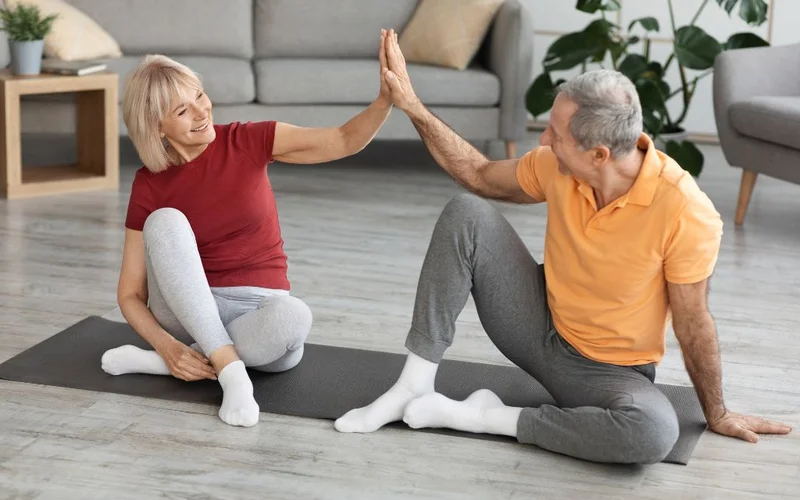
How Long Do You Need to Exercise to Feel the Health Benefits of Physical Activity?

Public Health recommends that adults should engage in at least 150 minutes of moderate- to high-intensity physical activity per week and several hours of lighter activity, which includes standing.

However, you should remember: every effort counts. One study found that just three to four minutes of intense physical activity per day was enough to reduce the risk of death from cardiovascular disease.

“Every time you move, you avoid being sedentary, you activate your body’s systems, and are, therefore, making a step in the right direction. Every bit of progress brings you closer to reaping the health benefits of physical activity.

–  Gwendoline Bonnefois, Private Trainer, YMCAs of Québec, B. Sc. Exercise Science and Nutrition | DEP Gym/Strength Training | University Diploma (France) Adapted Physical Activity | Les Mills Certification | Yoga-Pilates-Stretching Certification

And since physical activity also boosts self-esteem, you will thank yourself later!