The Benefits of Swimming
Whether you are swimming a few pool laps or simply spending time in the water, swimming offers a wide range of benefits. In near weightlessness, the body is supported while still being challenged: muscles work gently, and the cardiovascular system is activated. Even when practiced occasionally, swimming contributes to your physical and mental well-being. It has positive effects on the body, the heart, the brain, and even mood, particularly thanks to the release of hormones associated with relaxation, stress reduction, and energy.
Why Is Swimming a Complete Sport?
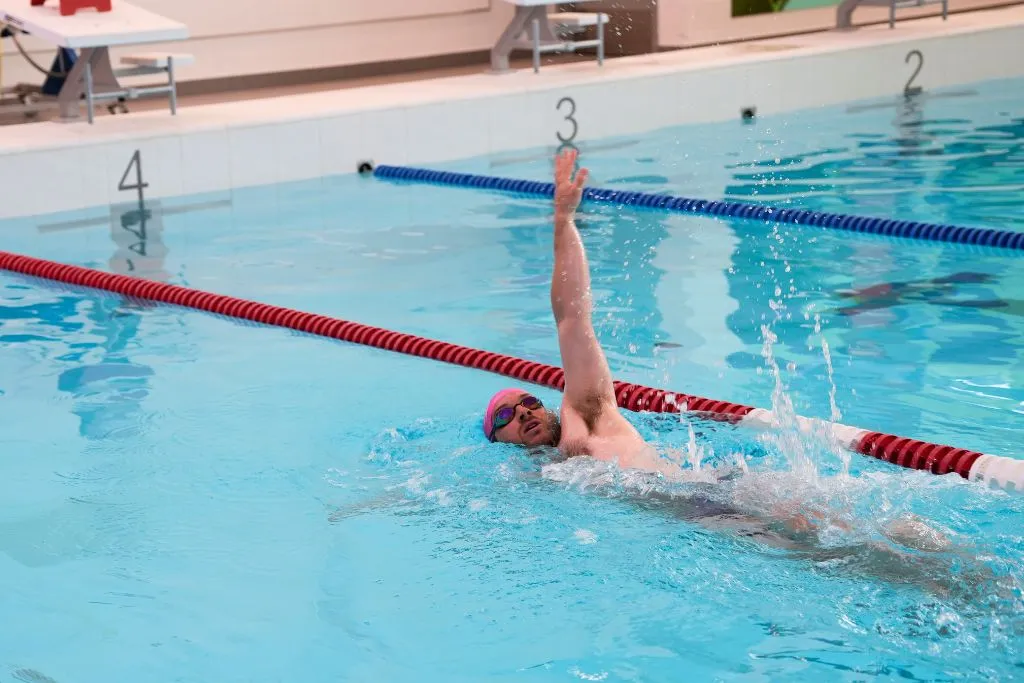
Swimming engages and strengthens the entire muscular system of the body. It is one of the rare sports where the arms work more than the legs, since up to 90% of propulsion is generated by the upper body. With water resistance, rhythmic breathing, and sustained effort, swimming increases heart rate and improves endurance and cardio. It is not surprising that swimming is one of the most commonly practiced sports among Canadians.
What Are the Health Benefits of Swimming?
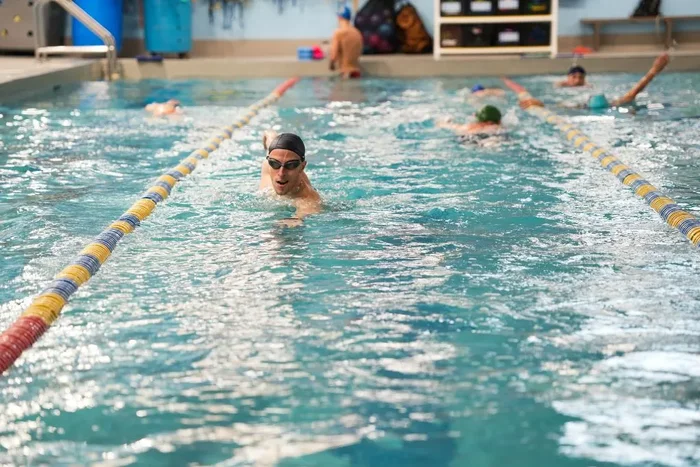
By swimming more than 30 minutes, twice a week or more, you may enjoy several health benefits, including:
- Better blood pressure management for some individuals.
- Relief from certain types of lower back pain or chronic pain, as well as a reduction in feelings of swelling for some people.
- Support for healthy weight management when combined with a balanced diet and an active lifestyle.
- Improved ease of movement and coordination.
- Better regulation of blood sugar and blood lipid levels as part of a healthy lifestyle.
- Reduced fatigue and stress.
- Increased energy and improved ability to concentrate.
“In the water, you only feel about 10% of your body weight. This feeling of weightlessness and body support makes movement easier. For people aiming to get back into shape, or those with limitations due to joint pain or injuries, swimming is a complete, enjoyable, low-impact physical activity that improves mobility.”
— Marie-France Hébert, aquatic activities specialist advisor, The YMCAs of Quebec
How Does Swimming Help Reduce Stress?
Immersing yourself in water promotes relaxation and well-being. Plus, swimming for at least 20 minutes at moderate intensity stimulates the secretion of serotonin and endorphins, which help regulate mood and anxiety.
Swimming may even help repair damage caused by stress. It also improves memory and cognitive functions.
Swimming Contributes to Better Sleep
Who has never felt the sudden urge to nap after leaving the pool or the sea? As body temperature drops after getting out of the water, the brain receives a signal that it is time to rest.
“While playing sports is an excellent ally against insomnia, the effect of water during swimming further promotes deep and restorative sleep. Many people attend the YMCA Cartierville pool in the evening. After leaving their worries in the pool and taking a good hot shower, the body and mind are well prepared for rest!”
– Julie Boucher, centre manager, Cartierville YMCA
Which Aquatic Activity Should You Choose According to Your Goals?
Open Swim, Lane Swim or Swimming Lessons?
As soon as you step into the water and move your body, you improve your health, at any age. The best way to move in the water depends on your preferences, goals, and lifestyle.
Open swim is ideal if you simply want to move at your own pace, enjoy relaxation, or spend time in the water without structure. Lane swims are better suited for those who want to build endurance, improve performance, or train more intensely.
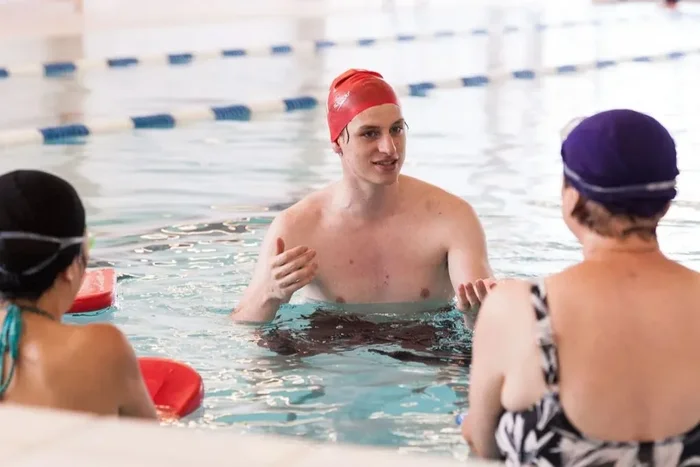
Swimming lessons offer structured learning to develop skills, improve technique, and help you gain confidence in the water.
Choosing a Swimming Lesson Program Adapted to Your Level
At the Y, swimming is practiced in a safe and supportive environment. Our classes in the pool are adapted to all generations. The levels below apply to people aged 16 and over. For children’s swimming, refer to our Swim Assessment Aid to choose the right course.
| Levels or Course Type | Description |
|---|---|
| Level 1 – Beginner / Introduction |
|
| Level 2 – Swimming Styles |
|
| Level 3 – Advanced Improvement |
|
| Private Lessons |
|
Why Learn to Swim in Childhood?
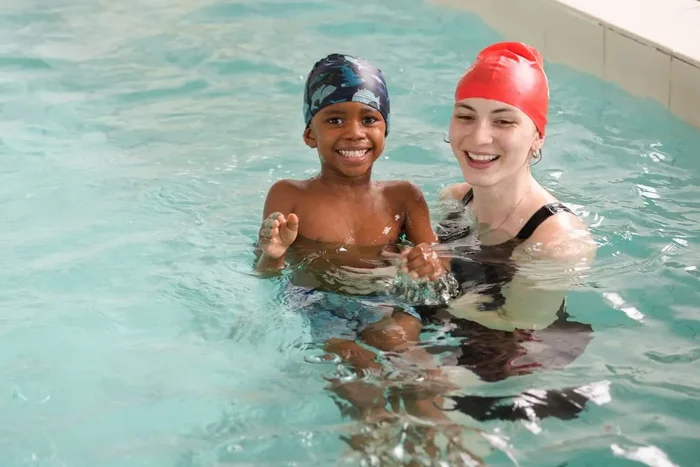
Learning to swim in childhood helps develop a natural ease in the water while strengthening self-confidence. Children’s swimming lessons are an essential skill that directly contributes to water safety and drowning prevention.
Swimming also supports motor development, coordination, and endurance in children. In addition to being beneficial for health, it encourages the adoption of healthy lifestyle habits that last over time. Not sure which swimming level your child should be enrolled in?