Skip to menu Skip to content

How to Create a Workout Plan Tailored to Your Needs

Tips and tricks May 20, 2026

The first step in creating an effective workout plan is identifying your needs and goals, whether you want to build strength, complete a 5K, lose weight, or improve your overall fitness. Then, assess your current physical condition and determine your level: beginner, intermediate, or advanced. A successful training program should reflect your real-life situation so it can be both realistic and effective in helping you achieve your goals.

Define Your Goals Based on Your Fitness Level

Using the SMART method, a strong goal should be Specific, Measurable, Achievable, Realistic, and Time-bound. Without clear goals, it can feel like you’re not making progress, even when following the right exercises and routine. If you’re just starting your fitness journey, keep your objective simple. Building healthy physical activity habits is the best way to see long-term results.


Examples of SMART Goals by Level

  • Beginner : I want to build a consistent routine by being physically active for at least 30 minutes, 3 times per week, by the end of the year.
  • Intermediate : I want to be able to swim 400 metres in under 10 minutes within 3 months.
  • Advanced : I want to begin running training to complete my first half-marathon this fall.

The Basics of Creating an Effective Training Program

Key Principles of a Good Workout Plan

To succeed, your training program must be sustainable and motivating enough to follow consistently.

Your plan should be:

  • Progressive: gradually increase the load, intensity, or duration over time to support progression.
  • Consistent: shorter, regular sessions are more effective than one long workout per week.
  • Varied: changing your exercises helps challenge your body and maintain motivation.
  • Specific: your program should match your goals. Training for running is very different from training for swimming.
  • Personalized: a truly personalized plan fits your schedule, lifestyle, and current physical condition.
  • Balanced with rest: rest and recovery are essential parts of any successful fitness routine.

The Importance of Rest and Recovery

Your body needs time to restore energy, repair muscle tissue, and rebalance hormonally before the next workout. Many experts even argue that sleep is just as important as nutrition for athletic performance and overall health.

Sample Workout Plan by Fitness Level


LevelFrequencyCardio / Strength Training SplitCardio ExamplesStrength Training StructureCommon Goals
Beginner2–3 sessions per week50% cardio
/ 50% strength training
• Brisk walking
• Stationary bike
• Swimming

Compound bodyweight movements (e.g., squats, push-ups, planks)

48 hours of rest between sessions

• Build a routine
• Improve overall fitness
Intermediate3–4 sessions per week 40% cardio
/ 60% strength training
• Running
• Elliptical
• Dance cardio

Basic and isolation exercises using free weights and machines;

upper/lower body split;

48 hours of rest per muscle group

• Progression
• Muscle toning
Advanced4–5 sessions per week 30% cardio
/ 70% strength training
• Sprinting
• Skipping rope
• HIIT

Muscle group split routine with advanced sets (e.g., supersets);

48 hours of rest per muscle group

• Performance
• Muscle gain

Prevent Injuries with Mobility and Stretching


How can you reduce your risk of injury while training? Start with proper technique and always include a warm-up before exercise and stretching afterward. Incorporating mobility work into your routine can also improve movement quality and reduce injury risk. It’s equally important to monitor training load and listen to your body’s limits. To reduce the risk of injury at the gym, the Ordre professionnel de la physiothérapie du Québec recommends beginning every workout with a warm-up, followed by cardiovascular exercises introduced progressively.

Training at Home or With Professional Support?

Can you train effectively at home? Is personal training worth it?
Many people successfully follow a workout plan at home using minimal equipment. However, studies show that supervised training sessions often lead to better results, whether you’re a beginner or an elite athlete.

The Benefits of a Personalized Workout Plan 


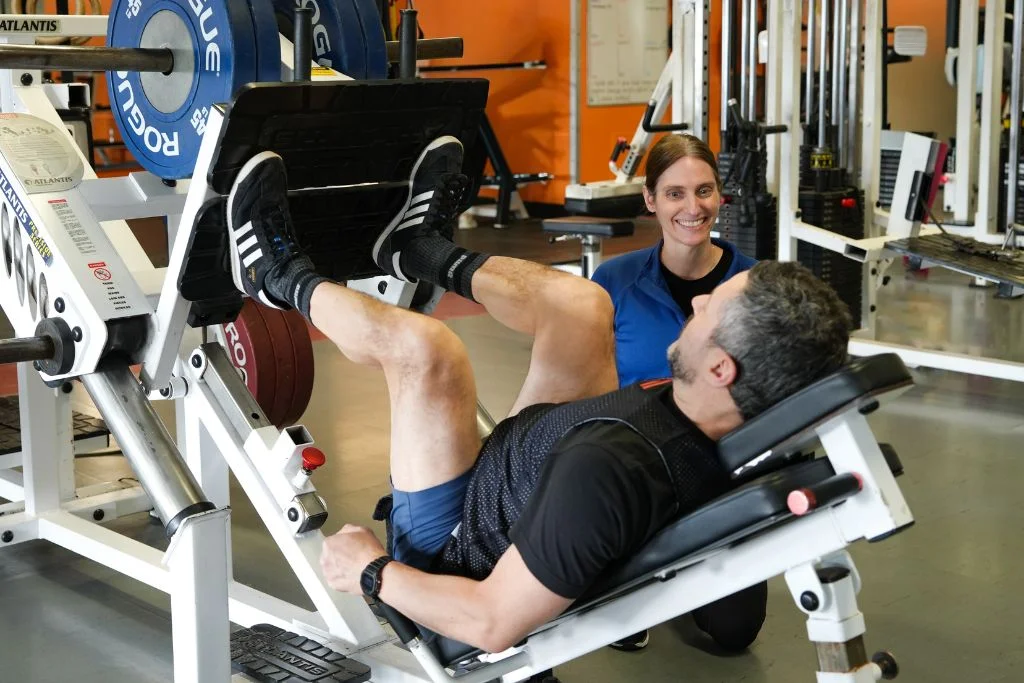
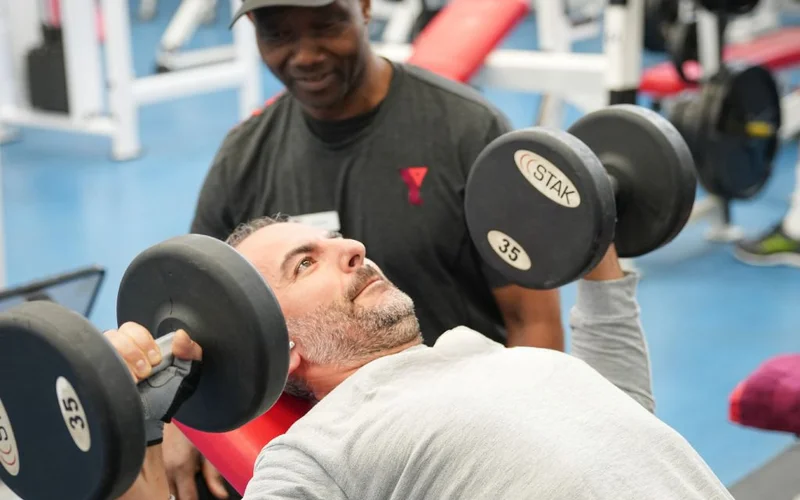
Working with a qualified trainer helps you progress more efficiently while reducing your risk of injury. Certified professionals, and even group fitness classes, can motivate you to train harder and smarter while helping you stay accountable. If you want to create a training program tailored to your body, your goals, and your needs, just a few personal training sessions can make a big difference.
Achieve Your Fitness Goals with Personalized Training at the YMCA

  • To progress toward your goals, you need to find the right balance between cardio and strength training, as well as between frequency, rest, duration, and workout intensity. That can be complex when you’re starting out, or when you’re working toward a specific performance goal. Without a solid training program, it’s easy to lose motivation. That’s why we’re here at the Y: our team has the expertise to support you in achieving your goal—and finding joy in movement.

    Claudette Rouisse

    Senior Advisor, Health, Physical Activity and Aquatics, the YMCAs of Québec

See What Personal Training Sessions Look Like at the YMCA